Basic Money Management Skills for Adults: A Strong Financial Start
Financial independence is the dream of many, yet the pathway to achieving this goal can feel overwhelming. The truth is, a secure and confident future is much less about luck or high income, and much more about developing and practicing essential basic money management skills for adults.
Regardless of your starting point or current financial status, you have the power to shape your financial destiny. Every small step forward matters—so let’s rediscover the foundational skills that make true financial well-being possible.
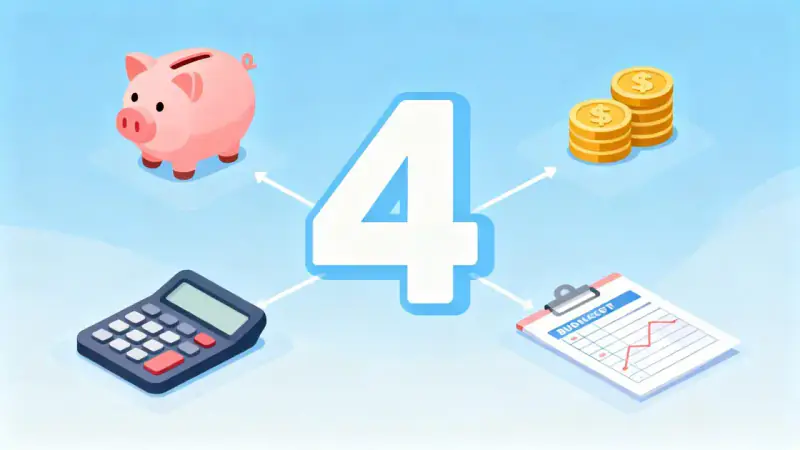
Mastering your money isn’t about living a restrictive life; it’s about granting yourself more choices, reducing stress, and creating a life you love. Here are four financial skills every adult should cultivate, each offering practical steps and inspiring possibilities.
1. Building a Budget That Reflects Your Life
At the core of smart money management lies one simple yet transformative act: creating and sticking to a budget. A budget isn’t a set of limitations—it’s a reflection of your priorities and dreams.
Begin by surveying your monthly income, including every consistent source of money. Next, list your fixed and variable expenses, from rent and groceries to nights out with friends. This truthful snapshot helps you see your real financial picture, not just what you wish it was.
- Track every expense, even minor ones, for a full month.
- Group similar expenses (like transportation or dining out) for clearer insight.
- Set realistic spending limits based on your average costs and future goals.
Adjust your plan as needed—budgets are living, evolving guides. Celebrate each month you stick to your plan, and don’t punish yourself for setbacks. Over time, budgeting empowers you to direct more resources toward the things that truly matter to you.
2. Emergency Fund: Your Financial Safety Net
Building an emergency fund is one of the greatest gifts you can give yourself. Life is unpredictable; whether it’s a car repair, a sudden medical bill, or a job transition, unexpected expenses can quickly derail your plans if you aren’t prepared.
Aim to accumulate at least three months’ worth of living expenses. Start small if you must—even a few hundred dollars can offer peace of mind. The key is consistency.
- Open a dedicated savings account separate from your daily use accounts.
- Automate regular deposits—no amount is too small to make a difference over time.
- Only tap this fund for true emergencies, not for routine or planned spending.
Having an emergency cushion not only reduces anxiety but grants the freedom to navigate life’s setbacks without spiraling into debt or panic. Over time, it reinforces your trust in your own resilience.
3. Mastering Debt: Take Control and Reclaim Your Power
Debt can feel like an anchor, holding you back from the life you want. But it is also manageable—with the right approach and mindset. Understanding the types of debt you carry, and confronting them directly, is absolutely crucial.
Start by compiling a list of all your debts: credit card balances, loans, or money owed. This can be intimidating, but knowledge is the first step toward freedom. From here, develop a strategy:
- Prioritize high-interest debts as these cost you the most over time.
- Consider the snowball (smallest debt first) or avalanche (highest interest first) repayment methods.
- Negotiate with lenders if possible for lower rates or more favorable terms.
Paying off debt is not just a financial achievement—it’s a personal victory. Each payment increases your confidence and brings you one step closer to independence. Remember, the journey is just as important as the destination. Value each milestone along the way.
| Debt Type | Typical Interest Rate | Ideal Strategy |
|---|---|---|
| Credit Card | 15%-25% | Payout fastest, avoid new charges |
| Personal Loan | 6%-15% | Regular payments, seek rate reductions |
| Student Loan | 4%-7% | Pay minimum, accelerate as budget allows |
| Mortgage | 3%-7% | Keep current, prioritize higher-cost debts |
Use this information as a strategic guide to attack your debts, understand their costs, and release yourself from their hold, step by step.
4. Mindful Spending: Make Every Dollar Count
Part of managing money smartly is being intentional with your spending. It’s all about aligning your purchases with your true values and goals, not just fleeting desires or societal pressure.
Distinguish needs from wants. Before each purchase, especially large ones, pause to ask yourself—does this serve my long-term happiness? Sometimes, the answer will be yes, and that’s okay! What matters is developing a conscious relationship with your money.
Practical ways to encourage mindful spending include:
- Practice the 24-hour rule before non-essential purchases.
- Seek value, not just price, considering quality and longevity.
- Remember to treat yourself occasionally—balance leads to sustainability.
Building this habit means that over time, you’re able to avoid regretful splurges and instead invest in experiences and possessions that genuinely enhance your life. It also opens doors to increased savings and bigger future opportunities.
The Power of Financial Skills: More Than Just Numbers
Mastering these four skills doesn’t just change your bank balance—it transforms your mindset and approach to life. As you build your budgeting, saving, debt management, and mindful spending habits, you create a foundation of confidence and security.
Don’t be discouraged by difficult months or unexpected setbacks. Financial growth is rarely linear. What matters most is your persistence and willingness to learn. Surround yourself with supportive conversations about money, seek out resources, and celebrate your progress—no matter how small.
Remember, financial wellness is a journey, not a destination. Every step you take towards financial responsibility amplifies your choices, reduces your stress, and brings you closer to a future you can look forward to with pride and peace of mind.
Take control of your financial story. Today’s small decisions lay the groundwork for the life you want tomorrow. Start now—because you deserve both security and possibility.