Guide to Stand Up Comedy: Your Step-by-Step Path to the Stage
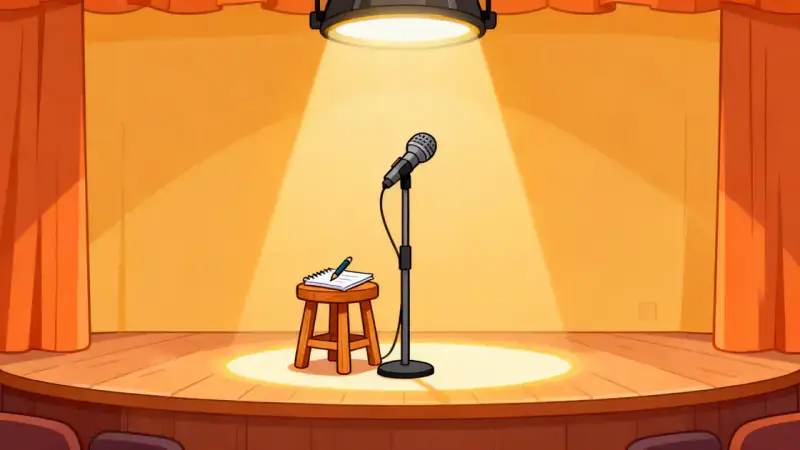
Have you ever made your friends laugh so hard that you wondered if you could do it for a room full of strangers? If so, you might be ready to step up to the mic and try your hand at stand up comedy.
Bringing laughter into people’s lives is a truly remarkable gift, and stand up is one of the most rewarding ways to do just that. This beginner guide will help you turn your untapped humor and unique perspective into a comedy set that could bring the house down.
Whether your audience is a packed main stage or a tiny corner at your neighborhood’s open mic, the power of stand up lies in its simplicity and honesty. This art form has launched countless creative careers, inspired resilience, and forged deep connections between performer and listener.
With practical tips, genuine inspiration, and encouragement, this guide is for anyone dreaming of hearing the sound of applause after their own punchline.
Understanding Stand Up Comedy’s Unique Power
Stand up comedy is more than just telling jokes—it’s about exposing vulnerabilities, sharing relatable observations, and finding humor in the every day. Great stand up comedians don’t just recite gags; they reveal slices of real life with sharp humor and timing that resonates strongly with audiences.
At its core, stand up is a conversation between you and the audience—one built on trust, timing, and personality. The best laughs arrive when people see themselves in your perspective or are surprised into laughter by your wit. Embracing your own voice is crucial in stand up comedy. The world doesn’t need another echo; it needs your original take.
Finding and Embracing Your Comic Voice
Start by asking yourself: What do I see that others don’t? Maybe it’s your take on daily frustrations, family quirks, or the awkward situations you encounter. Comedy flourishes when it’s grounded in your authentic voice and lived experiences. Some comedians build their style on self-deprecation, while others use observational humor or dive into storytelling.
If you feel intimidated, remember that every professional comedian was once a beginner. Your first step is to embrace your honest perspective—because what sets you apart is your real stories and genuine outlook on the world.
Crafting Your First Comedy Set
When writing your first set, focus on clarity and brevity. Punchlines must be sharp and setups concise. Any story or premise should lead to a payoff—something unexpected that makes your audience laugh from a place of surprise or recognition.
- Carry a notebook or use your phone to jot down funny thoughts, moments, or phrases throughout your day.
- Test your ideas on friends to see which stories get consistent laughs.
- Refine your material by trimming unnecessary words; every second counts on stage.
- End each joke strongly—your “punch” is your exit line; make it count.
Repetition and rewriting are your best friends. The joke that slays tomorrow might start with a simple, raw idea today. Pay attention to your natural rhythm, and remember that your body language and pacing can sometimes land a laugh before the punchline even comes out.
Developing Stage Presence and Overcoming Nerves
Standing in front of an audience for the first time can feel like unclothing your soul. Stage fright is a universal experience—even seasoned comedians get butterflies. The key is not to banish your nervousness but to channel it as energy that breathes life into your performance.
Here’s how to get comfortable on stage:
- Rehearse out loud at home and record yourself. Play it back and spot places to tighten your set or add emphasis.
- Practice pausing after punchlines—give the audience a moment to react.
- Visualize a supportive crowd, even if it’s just your reflection in the bathroom mirror.
Remember, audiences want you to succeed. Your courage to be on stage already earns their respect. Mistakes happen—sometimes the slip-ups become the best part of your act. If you forget a joke, riff on it; if there’s silence, let it be awkward, and then break it. Laughter is often seeded in truth.
Performing at Your First Open Mic
Open mics are the proving ground of comedy. It’s where you’ll test your material, learn how audiences react, and get comfortable with bombing—because every comic bombs at some point. Don’t measure your success by the number of laughs you get; measure it by your willingness to learn and grow each time you step up.
Before you hit the stage, watch a few open mics without performing, study the room, and learn how different comics engage with the crowd. When it’s your turn:
- Stick to your prepared set, but be open to improvisation if the moment feels right.
- Respect the light; most open mics use a signal to show your time is up.
- Be supportive of fellow comics—stand up is a community, not a competition.
The Journey: Growth, Resilience, and Finding Joy
Stand up is a journey defined by continual growth through challenges and victories. Early on, you might face nights where the laughter is sparse. Do not be discouraged—every great comedian has a library of failed jokes and tough crowds behind them. These tough moments breed resilience and fuel improvement.
Ask for feedback; veterans are usually generous with tips. Watch a wide variety of comedians, analyze their pacing, transitions, and how they rescue routines that fall flat. You’ll build your confidence as well as your unique comedic signature.
Over time, you’ll refine your material, embrace improv, and develop an ear for reading rooms. Audiences change nightly—one group’s silence can be the next night’s uproarious applause. Comedy is as much about connection as it is about jokes. Tip: Enjoy the experience and celebrate your progress, no matter how small.
Final Thoughts: Your Moment Awaits
So, what’s stopping you from stepping up to the mic? When you’re ready, remember that your voice adds incredible value to the world of comedy. The stories, thoughts, and laughter hiding inside you could be the spark that brightens someone’s day.
Trust the process, honor your authenticity, and start with that first joke. Every journey—no matter how daunting—starts with a single step. The laughter will follow, and so will your confidence. Your moment is waiting, so get out there and own the stage.