4 Essential Steps to Avoid Common Money Mistakes
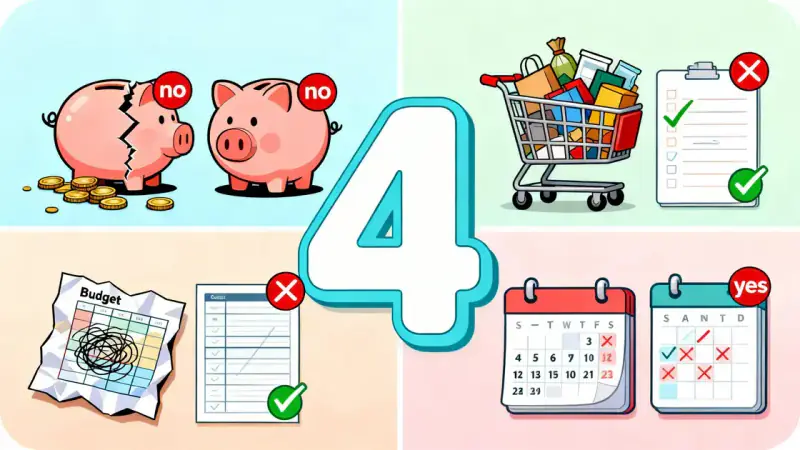
Money is more than just coins and paper—it’s a tool for realizing dreams, securing the future, and building a life of dignity. But along our financial journeys, most of us stumble over the same pitfalls, sometimes more than once. These mistakes, often small or seemingly harmless, can snowball into real setbacks over time.
The good news is that avoiding common money mistakes is both possible and empowering. So whether you’re just starting to manage your own finances or you’ve spent years trying to get things right, understanding and correcting these errors can change the trajectory of your financial story.
Spotting the Most Common Financial Pitfalls
Too many people believe that financial trouble is caused only by a lack of income. While earnings do matter, repeated missteps—often made unconsciously—are just as damaging.
Some of the most frequent money errors include spending impulsively, failing to budget, not saving for emergencies, and ignoring the importance of planning for the future. Each happens for a reason, rooted in habits, emotions, and sometimes just a lack of knowledge.
- Impulse spending that derails goals
- Living paycheck to paycheck without tracking expenses
- Neglecting emergency savings or insurance
- Delaying retirement planning or investing
Recognizing these pitfalls is the first step to overcoming them. Only by acknowledging them, can you build the resilience and tools to avoid repeating these costly mistakes.
Start with Self-Awareness: Understand Your Triggers
Every financial decision has a motivation behind it, often guided by emotion rather than logic. Why do you splurge on new gadgets or clothes even when you know you shouldn’t? The answer is often hidden beneath the surface.
Take some time to reflect on your relationship with money. Do you spend on impulse when you’re stressed? Are you easily influenced by social media advertisements? By identifying the emotional triggers behind bad financial choices, you gain power over them.
It helps to keep a spending diary for two or three months. Write down not just what you spend, but also how you felt at the time. Patterns will emerge: shopping when you’re bored, eating out when you’re tired, or making big purchases after a bad day.
With this newfound self-awareness, you can develop new habits to avoid slipping back into old routines.
Budgeting: The Foundation for Financial Growth
It’s often said that a budget is like a roadmap for your money. And there’s a reason this metaphor has lasted so long—because it’s true. Without a budget, it’s impossibly easy to lose track of spending and slowly drift into financial trouble.
But budgeting doesn’t have to be a burden. Think of it instead as a form of self-care and empowerment: taking control of your financial direction gives you confidence and clarity.
- List all sources of income and every expense, fixed and variable.
- Assign every dollar to a purpose: needs, wants, savings, and debt repayment.
- Review monthly to adjust for life’s changes and unexpected bills.
The best budgets are realistic. They acknowledge that life isn’t perfect and leave room for flexibility—and a little fun. Remember, without a budget that works for your life, it becomes easy to overspend or ignore financial goals altogether.
Building Buffer Zones: Saving for the Unexpected
If there’s one certainty about life, it’s that things rarely go exactly as planned. Medical emergencies, job losses, or car breakdowns can strike when least expected. Not having a safety net for these moments is a common and often devastating money mistake.
Establishing an emergency fund isn’t just about preparation—it’s about peace of mind. Even small amounts add up, and the habit itself builds financial resilience. Reserving funds for life’s surprises can help you stay afloat and reduce the urge to rely on debt.
To make saving manageable, automate it. Set up automatic transfers to a separate savings account, even if it’s just a tiny portion of each paycheck. Over time, this habit can mean the difference between financial disaster and financial security.
Plan for the Long Haul: Think Beyond Today
Too many people put off planning for retirement, investments, or bigger life goals, thinking there’s always more time. The reality? The sooner you start, the more your money can work for you, thanks to the magic of compounding.
Having a clear vision of where you want to be in 10, 20, or 30 years guides your current choices. The power of early and consistent investing cannot be overstated. Even small, regular contributions can grow remarkably over the decades.
| Investment Time | Monthly Contribution | Estimated Total (7% annual return) |
|---|---|---|
| 10 years | $100 | $16,388 |
| 20 years | $100 | $52,092 |
| 30 years | $100 | $113,352 |
Those are some inspiring numbers. But the action starts today. Set your future self up for abundance by making planning and research a habit—no matter your age or starting point.
Embracing Change and Moving Forward
Breaking old habits is never easy, especially when it comes to money. Yet every smart financial decision creates positive momentum. Don’t be discouraged by past mistakes or compare yourself to others’ progress.
Remember, consistent improvement is the real secret to success. There is no perfect road to financial wellness—only better choices, made one after another.
Forgive yourself for previous errors, and focus on creating healthy routines. Celebrate even small victories, like a week without unplanned spending, or starting your first emergency fund.
With awareness, strategy, and compassion for yourself, you can overcome any financial hurdle. Start with small steps—today—and watch as they multiply into lasting wealth and peace of mind.
Conclusion: Your Financial Future in Your Hands
There is immense power in learning how to avoid common money mistakes. Whether you’re working towards a debt-free life, saving for a big dream, or simply wanting less stress about bills, your efforts today will shape your tomorrow.
Knowledge, motivation, and practical action: these are the keys to unlocking confidence with money. The journey isn’t always smooth, but the rewards—a secure future and greater personal freedom—make every step worthwhile.
Take charge, stay mindful, and give yourself the gift of a strong financial foundation. Your future self will thank you.