How to Create a Personal Finance Routine That Works
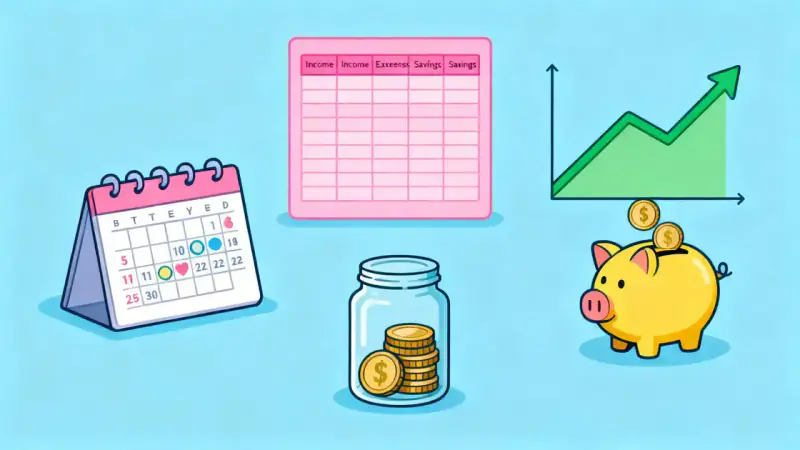
Imagine waking up each morning feeling confident and secure about your finances, knowing exactly where your money is going and how it’s helping you build the life you want. The secret to achieving this is both simpler and more profound than most realize: a dedicated personal finance routine.
Whether you’re striving for financial freedom, planning for milestones, or just want to stress less about money, developing these daily habits will pave your path forward.
This article isn’t just about numbers or budgets—it’s about changing the relationship you have with your finances. By the end, you’ll understand not just how to manage your money, but also how to use it as a tool for joy, stability, and growth. Here’s how to create a personal finance routine that works for you and inspires lasting change.
The Power of a Personal Finance Routine
For many, finances can be a source of anxiety and confusion. Bills arrive. Expenses sneak in. Paychecks vanish. It’s easy to feel overwhelmed, but with the right routine, you can transform overwhelm into control.
A strong personal finance routine turns money management from a dreaded chore into a rewarding, ongoing process. It brings clarity, purpose, and puts you in the driver’s seat of your financial journey.
Setting the Stage: Your Financial Goals
Every effective routine begins with motivation. Ask yourself, “What is my money meant to accomplish?” Whether it’s saving for a home, crushing debt, or enjoying more freedom, your goals are your compass.
Write your ambitions down and make them as specific as possible. Instead of “I want to save money,” try “I want to build a $5,000 emergency fund by next summer.” Getting granular brings focus, making your goals not just dreams, but blueprints for action.
- Short-term goals (upcoming vacation, new gadget)
- Medium-term goals (paying off a loan, upgrading your car)
- Long-term goals (retirement, children’s education, buying a house)
Set timelines and attach purpose. When your intentions are clear, the actions become natural.
Tracking Your Income and Expenses
This is the heart of every personal finance routine. Yet, tracking often feels intimidating. The trick is to make it easy and consistent.
Start by listing all your sources of income—regular paychecks, side hustles, occasional freelance gigs, any periodic bonuses. Next, make a habit of noting down every expense: fixed (like rent and utilities) and variable (like dining out, entertainment).
The act of tracking isn’t just about knowing the numbers—it’s about spotting patterns and empowering choices. Are you overspending on subscriptions? Could meal planning help save on groceries?
You don’t need a complicated system. Here are a few practical approaches:
- Spreadsheets: Simple, powerful, and customizable for your needs
- Apps: Handy for real-time inputs and automatic categorization
- Notebooks: Tangible, old-school, and effective when kept daily
Whichever method you choose, make it a ritual. Five minutes at the end of each day can change everything.
Building Your Routine: Automate and Simplify
Successful financial routines depend on consistency, not perfection. The less you have to think about, the more likely you’ll stick with it. Automation removes friction and makes financial progress nearly effortless.
Consider setting up automatic transfers for savings and investments. Arrange for your essential bills—rent, utilities, loan payments—to be paid automatically. This ensures you never miss a payment, avoid late fees, and always pay yourself first.
| Task | How to Automate |
|---|---|
| Savings | Schedule automatic transfers to savings account on payday |
| Bills | Set up autopay with providers or through your bank |
| Investments | Enable recurring deposits into retirement or brokerage accounts |
Automation isn’t about forgetting—it’s about making the right actions the default, so you can focus energy on other life goals.
Review, Adjust, and Celebrate Progress
A personal finance routine isn’t set in stone. Life shifts, jobs change, and priorities evolve. Once a month, set aside time to review your progress:
- Are you moving steadily toward your goals?
- Did any unexpected expenses pop up?
- Are there areas of overspending or opportunities to save?
Use this reflection time to adjust your strategy. Maybe you need to redirect more money to savings this month, or perhaps an expense category needs to be tightened. This isn’t about criticism—it’s about learning, improving, and staying aligned with what matters to you.
And don’t forget to celebrate your wins. Even if you only saved a little or paid off one bill, that’s progress. Recognize your efforts and use that momentum to fuel your journey forward.
Overcoming Common Challenges
Building a new routine is not always smooth. Life can be unpredictable. You might forget to track an expense or overspend at times. That’s normal. The key is to stay compassionate with yourself and return to your routine without guilt.
If things get overwhelming, simplify your system or break tasks into smaller pieces. Community support, accountability buddies, or even visual cues (like a chart on the fridge) can keep you motivated. The most important thing is to keep going. Progress is built, not given.
Your Next Steps Toward Financial Empowerment
Creating and maintaining a personal finance routine is more than just adding up numbers—it is a commitment to your dreams, your peace of mind, and your future. Each small, consistent action compounds into something powerful: confidence, security, and freedom.
Today is the perfect day to begin. Start with a simple step—track your expenses, identify one goal, automate a single bill. With time, these actions will become habits, and those habits will transform your financial life.
Remember, the journey to financial well-being doesn’t demand perfection—only your intention, persistence, and care. Create your routine, nurture your goals, and watch as your life blossoms into the empowered, stable future you deserve.