How to Improve Internet Safety at Home: A Guide for Families
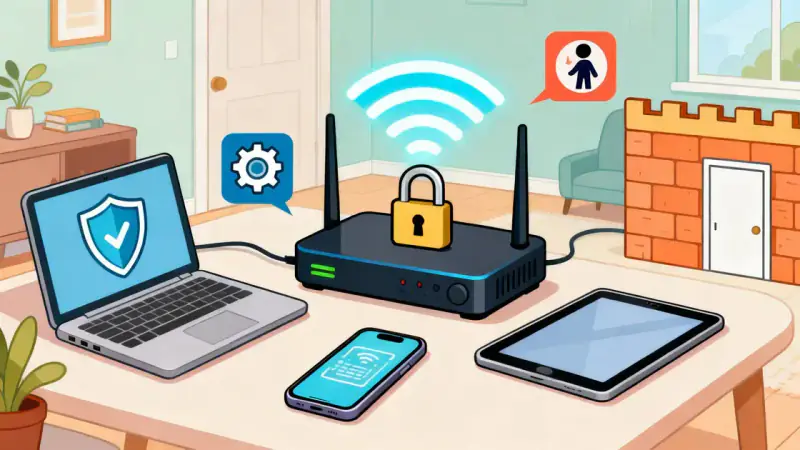
Imagine a home where every family member, from young children just discovering the internet to grandparents using connected devices, can safely explore the digital universe. As technology becomes more deeply woven into our work, communication, and entertainment, ensuring robust online safety at home is not a luxury—it’s a necessity.
The digital world is full of opportunity, but it’s also a space where privacy threats, scams, and harmful content lurk. Improving your home’s internet safety empowers everyone under your roof to embrace technology with confidence, curiosity, and peace of mind.
Why Home Internet Safety Matters
Technology in the home opens remarkable doors: children learn with global educational tools, parents work or shop remotely, and families stay connected no matter the distance. But just as you would lock your doors at night or teach children to look both ways before crossing the road, taking proactive steps to guard your household’s digital frontier is essential.
Threats can disrupt privacy, hurt finances, or erode trust. Simple mistakes—like a weak password or clicking a suspicious link—can lead to costly consequences or lasting discomfort. It is crucial, therefore, that every household member understands online risks and knows how to avoid them.
Understanding Digital Dangers at Home
The risks at home range from obvious to hidden. Recognizing them is the first step toward protection. Some of the most common threats include:
- Phishing attacks and scams that attempt to steal personal or financial information.
- Malicious software (malware) such as viruses and ransomware targeting devices.
- Inappropriate or harmful online content accessed by children or vulnerable family members.
- Identity theft through exposed passwords or unsecured devices.
- Cyberbullying and online harassment, especially among younger users.
Every internet-enabled device—from laptops to gaming consoles, smart TVs to baby monitors—is a potential entry point for these dangers.
Building Strong Digital Defenses
Creating a safer online environment at home starts with practical and achievable actions. The following steps, repeated and reinforced over time, lay the foundation for a safe digital life.
- Set strong, unique passwords for every device, app, and online account. Avoid repetitions and use a mix of letters, numbers, and symbols.
- Enable two-factor authentication wherever possible. This extra layer provides significant protection with minimal effort.
- Update software and apps regularly, including your router firmware. Most cyberattacks exploit known weaknesses already fixed by updates.
- Install trusted antivirus or security software to defend against malware and other attacks.
- Protect your Wi-Fi network by changing the default password, enabling strong encryption (WPA3 or WPA2), and hiding your network’s SSID.
A home internet security checklist can help manage these steps. Consider the table below as a sample schedule for routine checks.
| Task | Frequency |
|---|---|
| Change Wi-Fi and main account passwords | Every 6 months |
| Check for software, app, and system updates | Monthly or as prompted |
| Review security settings and parental controls | Quarterly |
| Backup important files and data | Monthly |
Creating a Family Culture of Safety and Trust
The best protections are only effective when everyone understands and values them. Foster open, ongoing conversations about online safety with every member of your household. Children, teens, and adults face unique risks, but shared awareness creates a united front.
Encourage young internet users to ask questions about anything that confuses or frightens them online. Make it safe for older adults to admit if they have clicked something suspicious or received a strange message. Open dialogue is the foundation of cyber resilience for every age group.
Set clear rules about device use, website access, and private information sharing. Instead of imposing restrictions, explain the reasons so everyone takes ownership of their role in keeping the household safe.
Smart Habits for Daily Digital Life
Empowering your household with daily habits strengthens your digital security and supports responsible use. Emphasize that safety online depends as much on skill and awareness as on technology.
- Teach all family members how to recognize phishing emails, suspicious websites, and social engineering tactics.
- Discuss responsible sharing of personal information, images, or location on social media.
- Remind everyone that private information should stay private unless absolutely necessary.
- Practice “think before you click,” and verify unknown contacts before responding.
- Encourage time spent offline, creating a balanced relationship with connected devices.
Leverage Technology for Greater Protection
Modern technology offers robust tools for improving internet safety at home. Explore the features of your router, such as guest networks for visitors and parental controls to limit unsafe content.
Use reputable parental control software or device management apps. These tools allow parents to set usage times, monitor activity, and filter inappropriate sites. Always be transparent and explain the purpose of any monitoring or limits to build trust and understanding.
Back up important files both locally (external hard drives) and in the cloud to protect against loss from cyberattacks or hardware failure. Recovering quickly from problems is as essential as prevention.
Inspiring Safety, Empowering Families
Improving internet safety at home is an ongoing journey, requiring patience, teamwork, and adaptation as technology and threats evolve. Each step—no matter how small—builds a safer and more confident digital environment for your loved ones.
When every family member feels empowered to ask questions, take precautions, and help protect one another, your home transforms. It becomes not just a place to live but a beacon of digital resilience and safety for all who enter.
Start today, embrace best practices, and celebrate each success. In building a culture of awareness, responsibility, and support, you lay foundations for a thriving, secure digital future for your whole family.