How to Manage Money Responsibly and Build Wealth
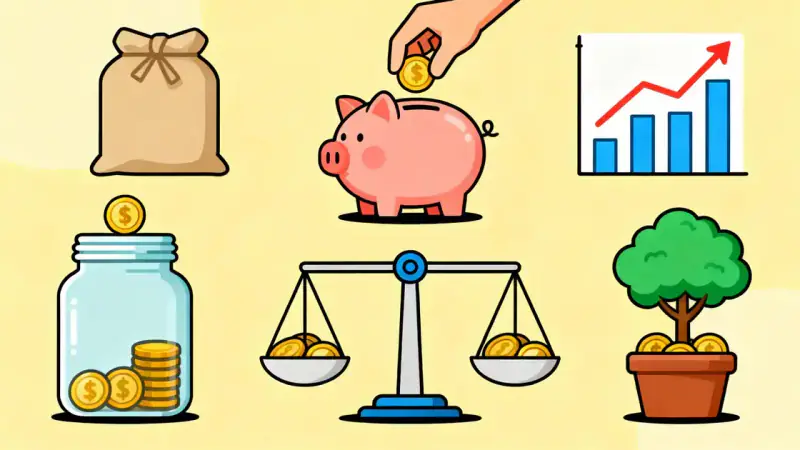
Many people dream of financial freedom, yet the path to achieving it often feels elusive and overwhelming. Whether you’re just starting on your journey toward financial stability or working to improve your current habits, understanding how to manage money responsibly is vital.
This article is your guide to cultivating habits that lead to greater stability, reduced stress, and the ability to pursue your goals with confidence. With practical help, encouragement, and honest inspiration, you can take charge of your finances and create a life defined by abundance, not anxiety.
Why Responsible Money Management Matters
Learning to manage your money isn’t just about having more of it—it’s about gaining control over your life and choices. Responsible money management instills greater peace of mind because it reduces uncertainty about what the future may bring.
When you manage money with intention, you can handle emergencies, plan exciting adventures, and build a sense of confidence that spills into other areas of your life. It’s the cornerstone of personal independence and long-term well-being.
Step 1: Track Every Dollar Intentionally
The foundation of responsible money management is understanding where your money goes. Most people underestimate their spending or forget about small expenses that quietly add up.
For at least one month, track every amount you earn and every cent you spend. Use a notebook, spreadsheet, or budgeting app—whichever you find easiest. Write down purchases as small as a cup of coffee. Watch as a clear picture forms, revealing patterns and hidden habits.
- List your income sources — wages, side gigs, gifts, etc.
- Record essential expenses — rent, food, transportation, utilities.
- Note discretionary spending — dining out, entertainment, shopping, hobbies.
- Be honest and thorough — the more accurate your picture, the better.
This exercise may be eye-opening. It’s normal to feel surprised—or even embarrassed—when you first tally your spending. However, awareness is a powerful first step toward real change.
Step 2: Build a Practical, Meaningful Budget
Now that you know where your money is going, you can create a budget tailored to your unique needs and dreams. Budgets aren’t restrictive; they are roadmaps guiding you toward financial empowerment and intentional choices.
Design a budget by dividing your income into clear categories:
- Fixed expenses (housing, insurance, transportation)
- Variable essentials (groceries, utilities, gas)
- Fun and self-care (entertainment, hobbies, small treats)
- Savings and debt repayment
Try giving each dollar a “job” at the beginning of the month so that you know exactly where your money goes. Adjust these amounts as needed, striving for balance—making sure your needs are met, your debts decrease, and you still have room for joy.
If sticking to your budget is difficult at first, be gentle with yourself. Aim for progress, not perfection. Financial discipline gets easier every day you practice it.
Step 3: Create and Grow Your Emergency Fund
Life is unpredictable, but being prepared is empowering. One of the most vital habits for money responsibility is building an emergency fund—a savings cushion for those moments when life takes an unexpected turn. Even saving a small amount each month can provide real security in tough times.
Start with a goal of $500, then work toward three to six months’ worth of living expenses. Keep this money in a separate, easily accessible account. Use it only for serious, unexpected events: job loss, medical emergencies, or urgent repairs.
An emergency fund offers peace and practical freedom—so you won’t need to rely on credit or borrow from others when life unexpectedly shifts.
Step 4: Conquer Debt with Intention and Strategy
Debt can feel crushing, but you can take back control. First, list all your debts—including credit cards, medical bills, car loans, and student loans—with their balances, interest rates, and minimum payments. Seeing the numbers may be scary, but it’s a vital act of courage and honesty.
Next, establish a repayment plan. There are several strategies:
- Debt Snowball — Pay off smallest debts first for quick wins.
- Debt Avalanche — Pay off highest interest debts first to save money long-term.
- Consolidate or refinance if you qualify for better rates.
Always make minimum payments to avoid penalties, and apply any extra funds to the chosen target debt. Celebrate every small victory—you are building financial momentum with each payment.
Set Clear Goals and Reward Progress
Setting motivating, realistic goals breathes purpose into your money management. Maybe your goal is to save for a dream vacation, buy a home, retire early, or simply break free from living paycheck-to-paycheck. Whatever it is, write down your goals and revisit them often.
Break big goals into smaller milestones, and celebrate progress along the way. Rewards don’t need to be expensive—sometimes the greatest satisfaction is knowing you’re moving, step by step, toward a future of freedom and opportunity.
Adopt Habits for Lasting Financial Health
Responsible money management must become a way of life—a set of daily attitudes, not just one-time actions. Commit to educating yourself, reflect on your progress each month, and stay curious. Consider these additional habits:
- Review your spending weekly; adapt your budget to real-life shifts.
- Learn about investing and long-term savings when you’re ready.
- Seek support from trusted friends, family, or financial mentors if you need accountability.
When setbacks occur—and everyone faces them—avoid guilt. Instead, use them as chances to learn, adjust, and grow. Remember, financial wisdom is built one decision at a time.
A New Beginning—Empowered, Not Restricted
Learning how to manage money responsibly may seem daunting, especially if you’re carrying regret or shame about past choices. But every day presents a new opportunity to build the life you want. By engaging with your finances openly—by tracking, planning, saving, and setting goals—you choose resilience over fear.
Financial responsibility is not about deprivation; it’s about gaining the freedom to dream bigger and live with greater security, purpose, and joy. Your journey starts the moment you take the first step—no matter how small it feels.
Remember, every healthy financial change you make today is a powerful investment in tomorrow’s peace, prosperity, and possibility.