How to Stay Safe Online: A Complete Beginner’s Guide
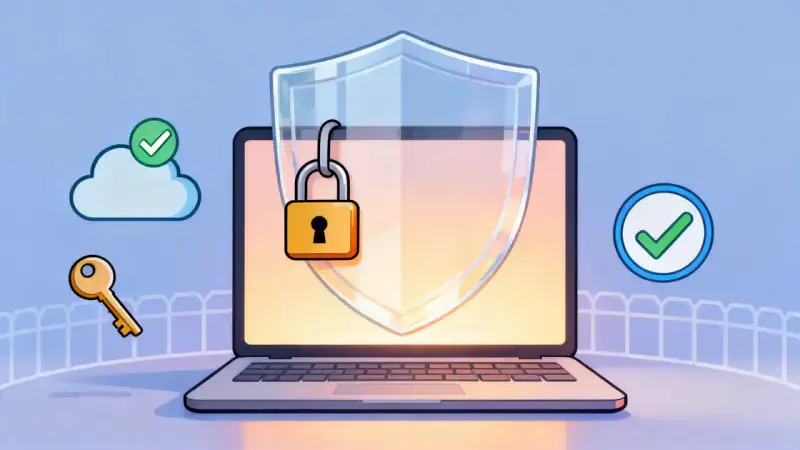
The internet is a brilliant place to explore, learn, and connect with people around the globe. But, just as with any new adventure, it can be daunting if you haven’t been taught the risks and safe habits. Millions of people each year find themselves the target of scams, privacy breaches, or worse, simply because they weren’t equipped with the right knowledge at the start.
Taking your first steps toward online safety is not about being afraid—it’s about being prepared and empowered to take full advantage of everything the internet offers, without falling prey to unnecessary risks. This guide is crafted for you, the beginner, to inspire confidence and provide practical help.
Why Online Safety Matters
Our lives are deeply intertwined with technology. Whether you are shopping online, chatting with friends, or using social media, your personal information is often only a few clicks away from people with bad intentions. Hackers, scammers, and identity thieves are always seeking their next unsuspecting target.
By building strong habits early, you can avoid the headaches and heartaches many have suffered—loss of money, reputation, or even peace of mind. The good news is, a safer online experience is within your grasp with some simple changes.
Recognizing the Most Common Online Threats
Let’s start by identifying what dangers you might encounter. Awareness is your first line of defense.
- Phishing emails that mimic trustworthy sources to trick you into sharing sensitive information.
- Suspicious links and pop-ups that can install unwanted software, known as malware.
- Scams on social media, including fake accounts or giveaway messages.
- Identity theft through leaked personal information.
Don’t let this list scare you. Knowledge is the shield that turns fear into action.
Building Better Password Habits
Weak or reused passwords are an open door to your online life. A strong password acts as a sturdy lock on the “front door” of every account you own. Consider these tips:
- Use a mix of uppercase and lowercase letters, unique numbers, and special characters.
- Avoid using obvious choices like birthdays, names, or the word “password.”
- Never use the same password for multiple accounts—if one is compromised, others could be as well.
- Consider using a password manager to help generate and remember strong passwords.
If you ever suspect an account may have been breached or that someone else has your password, change it immediately.
How to Safeguard Your Personal Information
Your personal information—full name, address, birthdate, even photos—is valuable to cybercriminals. Protect it diligently.
Before sharing information, ask yourself if it is absolutely necessary. Many online forms ask for details that aren’t required. Share only what’s needed and nothing more. It’s equally important to be cautious with what you post publicly on social networks.
Adjust your privacy settings on social platforms. Most networks allow you to decide who can see your information and posts. Limit visibility to friends or trusted contacts instead of “Public.”
Practicing Safe Social Media and Email Habits
It can be tempting to accept every friend request or open every message. However, caution is vital:
- Verify people before accepting their requests, especially if you do not know them personally.
- Be skeptical of messages promising prizes, money, or asking for personal info, even if they come from someone you know—their account may have been compromised.
- Watch out for links and attachments, particularly those that seem unexpected or urgent.
Not everyone online is who they claim to be. Listen to your instincts if something feels odd, and take a pause before clicking or sharing.
Staying Away from Scams and Phishing Tactics
Scammers grow more sophisticated by the day, making their messages and websites look almost identical to legitimate sources. Spotting a fake isn’t always easy, but certain clues can help:
- Check the sender’s email address closely. A minor misspelling or odd domain is a red flag.
- Watch for poor grammar, unprofessional language, or urgent demands (“Immediate action required!”).
- Carefully hover over links (without clicking) to preview where they lead—be wary of unfamiliar addresses.
- If in doubt, contact the supposed sender directly through official channels before taking action.
When you take time to verify, you reduce your chances of becoming a victim.
Establishing Safe Browsing Habits
Even the act of browsing carries risks if you’re not vigilant. For an extra layer of safety:
- Stick to well-known, reputable websites when possible.
- Look for “https://” and a padlock symbol in the address bar. This means your connection is encrypted, making it harder for outsiders to snoop.
- Avoid downloading software or files from sources you don’t completely trust.
Consider using security software or browser extensions that can block malicious sites and warn you about potential dangers before they reach you.
The Power of Regular Software Updates
One of the simplest, most effective ways to protect yourself is to keep your device’s operating system, apps, and antivirus software up to date. Developers routinely patch security holes that hackers exploit. By installing updates promptly, you’re closing the windows that attackers might otherwise use to get inside.
Your Digital Empowerment Starts Now
Online safety may seem complicated at first glance, but it’s really about adopting a few habits and staying attentive. Each precaution you take is an act of empowerment—a step toward seizing the full, rich experience the internet can offer, with much less risk. Remember: you don’t have to be an expert to be safe, only willing to learn and adapt.
As you continue your digital journey, let these practices become second nature. Share your knowledge with others—your friends, family members, or anyone else stepping into the online world. In doing so, you become part of the collective effort to make the internet a safer, kinder space for everyone.
Confidence and safety in every click and message—that’s the goal. Start today, and you’ll soon find yourself navigating the vast online universe with ease, vigilance, and peace of mind.